



The Most Sustainable Wardrobe Is the One You Already Own
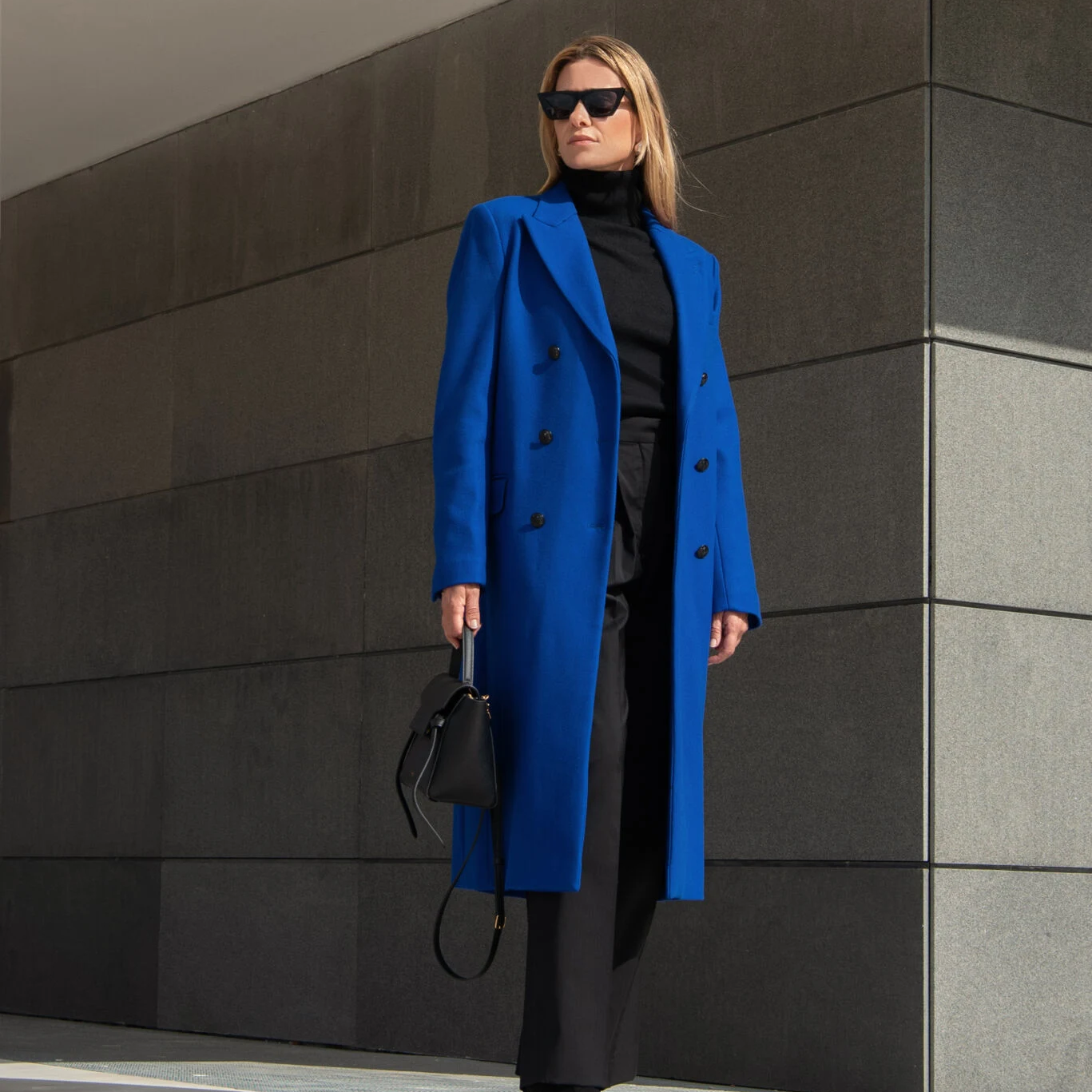
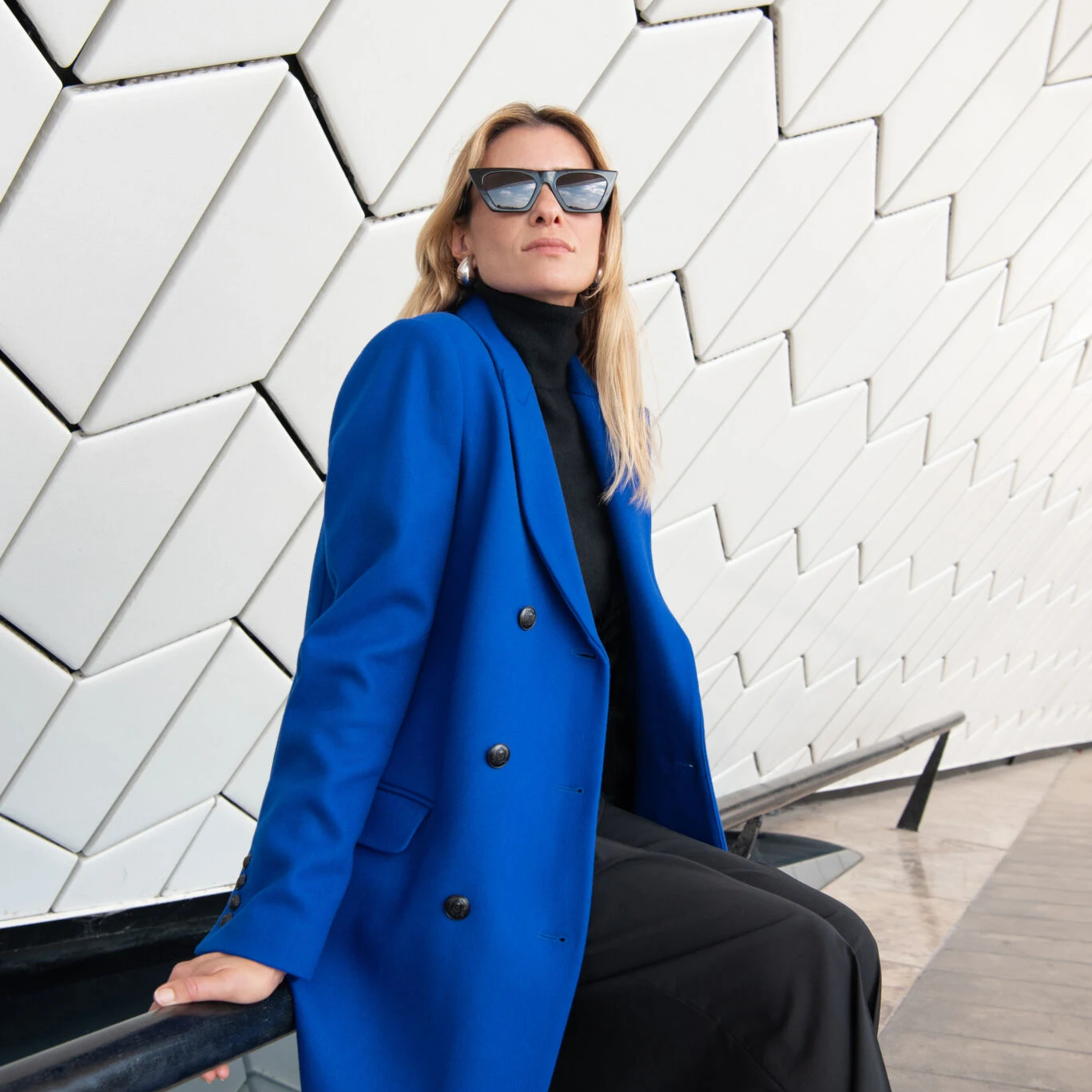
Why education, not trends, is the next era of sustainable luxury. By Irina Berezina, Founder of Mood Atelier. Most conversations about sustainability orbit around fabrics, supply chains, or carbon footprints. All important but rarely do they address the most obvious, most universal sustainability crisis of all: the millions of unworn pieces sitting in women’s wardrobes. Beautiful mistakes. Emotional purchases. Influencer-inspired impulses that made sense in a perfectly curated photo, but not in real life. We rarely acknowledge this because it exposes a truth the industry prefers to avoid: women don’t overconsume because they don’t care, they overconsume because they were never taught how to choose.
Education Is the New Sustainable Luxury
For decades, fashion has presented sustainability as something technical, moral, or aspirational. But the most transformative sustainability tool is surprisingly simple: knowledge. When a woman understands her proportions, her visual identity, her lifestyle, her emotional cues, her colours, she stops buying from a place of confusion and starts buying from a place of clarity. Suddenly: • She stops collecting “almost right” pieces. • She stops trying to copy influencers whose bodies, lifestyles, and resources she doesn’t share. • She stops chasing trends designed for algorithms, not humans. Instead, she begins curating. Editing. Re-wearing. She buys less but uses more, not because someone lectured her about sustainability, but because she finally knows what works. Knowledge is the most sustainable luxury because it changes behaviour without requiring discipline. This is the foundation of the Mood Atelier method: sustainable style begins with self-understanding, not self-restriction.
You’re known for challenging assumptions most people take for granted. What’s the most outdated belief women still hold about getting dressed?
We often imagine sustainability challenges happening far away in factories or logistics chains. But one of the biggest problems happens quietly, right at home. Behind every overstuffed closet are familiar, unspoken patterns: buying for a fantasy version of ourselves, copying influencers with entirely different proportions, or believing a trend will “fix” our style. This is where the thinking of Toshio Yokamoto, the Japanese theorist of behavioural minimalism, becomes surprisingly relevant to fashion. Yokamoto’s philosophy forms part of Mood Atelier’s intellectual foundation. He believed that true sustainability isn’t created by owning less, it’s created by understanding more. His work is built on three core ideas: clarity, sequence, and intentionality. And here is the deeper principle that makes his work so meaningful for women’s wardrobes: “Sustainability is achieved not through austerity, but through precision.” Yokamoto taught that waste disappears when you understand your real needs, make decisions in the correct sequence, and remove excess through clarity, not pressure or guilt. Applied to fashion, this means a woman doesn’t become sustainable by forcing herself to buy less; she becomes sustainable by finally understanding herself well enough to choose the right things, wear them often, and release everything that was bought from confusion. This is a radical shift. A functioning wardrobe is sustainable by design. A dysfunctional wardrobe is wasteful by accident. Consumers don’t need pressure, they need structure.
Influencers vs. Reality: The Unsustainable Fantasy
Influencer culture has glamorised a type of consumption that is visually irresistible and personally unrealistic. Most women aren’t buying an outfit, they’re buying into the illusion that the outfit will give them the life, body, or energy of the influencer wearing it. In real life, the item arrives with no team, no lighting, no edits, and no magic. And suddenly the purchase feels wrong, not because the woman failed, but because the model was never her. This is why Mood Atelier rejects imitation culture. Sustainability isn’t about guilt, it’s about precision, self-knowledge, and clarity.
A New Vision for Sustainable Fashion
Sustainable fashion’s next chapter won’t be driven by strict rules or moral superiority. It will be built on self-understanding, just as Yokamoto predicted. When women understand themselves, they shop differently. They: • choose fewer but better pieces • re-wear what they own with confidence • shop for longevity instead of mood • make intentional upgrades, not impulsive replacements Sustainability becomes a byproduct of confidence, not sacrifice.
The Future Belongs to the Educated Consumer
Fashion does not need more trends to “fix” sustainability. It needs women who understand what they want, what they need, and what actually works for them. Mood Atelier is building this shift: a new category where sustainability is the natural outcome of clarity, identity, and emotional intelligence , not the result of pressure or guilt. Because the most sustainable garment isn’t the newest innovation. It’s the one you choose with intention and wear with confidence.