



Irina Berezina: «Style becomes easier the moment you stop performing»
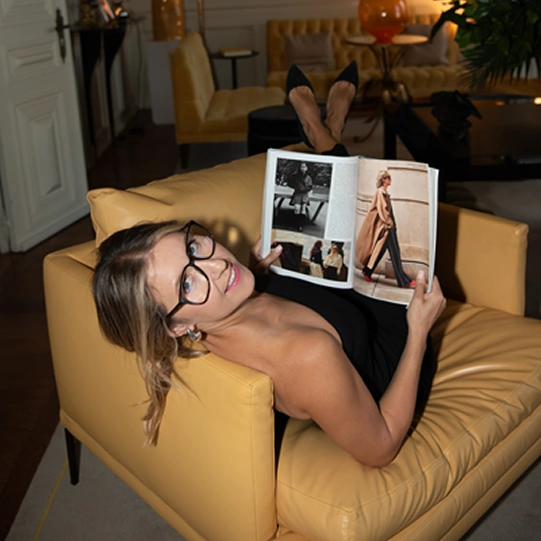
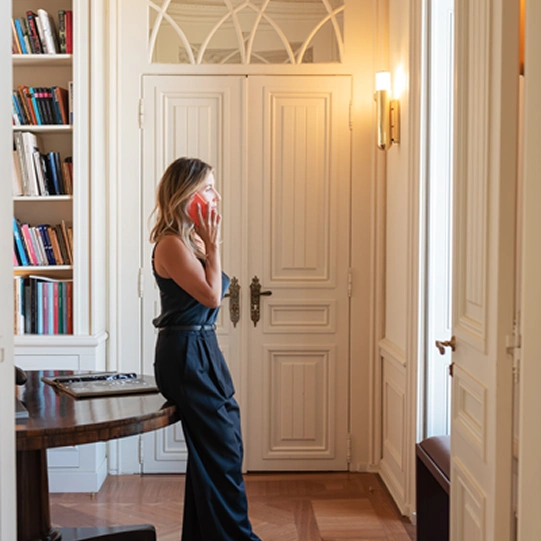
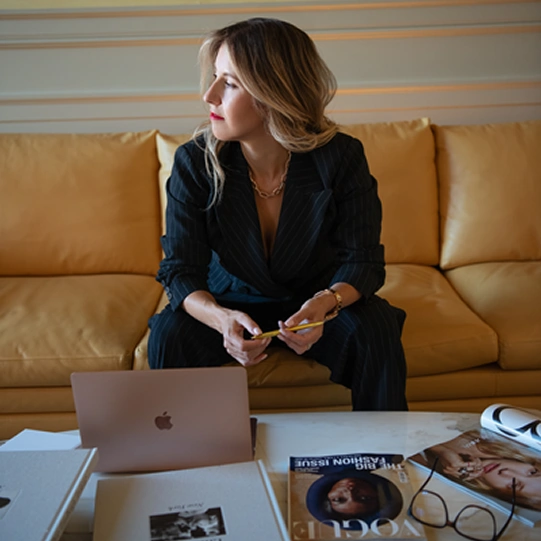
Meet Irina Berezina, the founder and CEO of Mood Atelier — a new European fashion-tech platform reshaping the way modern women approach personal style. Mood Atelier was born from observing how even the brightest, most accomplished women find themselves alone with the chaos of trends, algorithms, and superficial advice — with no system, no structure, and no true professional guidance. Irina offers a radically different path: bringing human expertise, clarity, and logic back into the style conversation. Mood Atelier turns personal style into a skill — conscious, creative, and emotionally articulate. Here, women learn to understand themselves rather than trends; to build confidence rather than a «just-in-case» wardrobe; to dress in alignment with their real lives, not industry expectations. What for years was perceived as intuition or «female instinct» becomes, through Mood Atelier’s lens, a system — structured, accessible, and truly effective. Exclusively for Glamour, Irina speaks about building the platform, the future of women’s style, and how Mood Atelier has evolved into an entirely new category rather than just another styling service.
Irina, most founders build companies because something wasn’t working for them personally. But you’ve said Mood Atelier didn’t come from frustration, it came from observation. What did you see that most people miss?
Meet Irina Berezina, the founder and CEO of Mood Atelier — a new European fashion-tech platform reshaping the way modern women approach personal style. Mood Atelier was born from observing how even the brightest, most accomplished women find themselves alone with the chaos of trends, algorithms, and superficial advice — with no system, no structure, and no true professional guidance. Irina offers a radically different path: bringing human expertise, clarity, and logic back into the style conversation. Mood Atelier turns personal style into a skill — conscious, creative, and emotionally articulate. Here, women learn to understand themselves rather than trends; to build confidence rather than a «just-in-case» wardrobe; to dress in alignment with their real lives, not industry expectations. What for years was perceived as intuition or «female instinct» becomes, through Mood Atelier’s lens, a system — structured, accessible, and truly effective. Exclusively for Glamour, Irina speaks about building the platform, the future of women’s style, and how Mood Atelier has evolved into an entirely new category rather than just another styling service.
You’re known for challenging assumptions most people take for granted. What’s the most outdated belief women still hold about getting dressed?
That style is some kind of instinctive feminine talent, like we’re born with an internal compass pointing toward “effortless chic.” If only. Style requires psychology, proportion, design logic, emotional clarity, and routine. That’s not intuition; that’s structure. We don’t expect people to intuitively understand tax law or neural networks. But style? Women are told it should be “natural.” And if it isn’t, somehow they are the problem. My favourite thing to do is dismantle that belief — gently, with good humour, but decisively. Because women don’t lack style. They lack a system.
You often say you didn’t “leave tech”, you brought tech into style. What does that actually look like in practice?
It means I treat personal style the way I treat company building — with structure, logic, and a strong respect for human behavior. I didn’t become a stylist. I became a systems architect for women’s wardrobes. Tech taught me that clarity changes everything: decision-making, confidence, speed, ease, results. When I looked at how women approached style, it felt like watching someone try to run a business with no processes, no KPIs, no data, and no strategy. Fashion brings beauty. I bring the operational backbone. Mood Atelier looks elegant on the outside, but behind the scenes, it’s a highly engineered learning framework. Women learn style the way they learn languages: through sequence, logic, and structure. Less inspiration. More alignment.
You’ve been quite bold about questioning how the style industry treats women. What do you believe women should question more?
Everything that starts with «should». «You should wear this trend». «You should suit this silhouette». «You should reinvent yourself every season». «You should look like this influencer who has a lighting setup and a team off camera». Women have been trained to question themselves, not the system. I prefer to reverse that. Once you start asking why trends dictate personality shifts, or why the same outfit never looks the same on a normal Tuesday as it does on Instagram, you see how much of this is theatre. Style becomes easier the moment you stop performing.
Let’s talk about soft power dressing. What is it exactly?
Soft power dressing is the art of expressing who you are without raising your voice — through clarity, coherence, and intention. It’s not quiet. It’s not passive. It’s precise. It’s the kind of confidence that doesn’t require explanation. When a woman understands her proportions, knows her colour base, recognises her style identity, and aligns her wardrobe with her lifestyle, she stops using clothes to compensate. Instead, she uses them to communicate. Soft power is the opposite of impulse. It’s the opposite of confusion. It’s the opposite of over-shopping. It’s self-definition made visible.
You created an entire methodology. How did Mood Atelier become a new category rather than just another styling service?
Because I refused to treat styling as entertainment. It’s education. Classical styling solves today: «I need something to wear». Mood Atelier solves forever: «I want to understand myself». We teach women in a structured sequence: body line → silhouette → proportion → style DNA → colour strategy → wardrobe architecture → emotional decision-making → seasonal rituals. It’s not glamorous. It’s transformative. Women don’t need more advice. They need mastery. And mastery comes from learning, not outsourcing. This is why I say Mood Atelier isn’t in the fashion industry. We’re in the style intelligence industry — a category that didn’t exist, so I built it.
You work with stylists from Paris, Milan, London. Why insist on human expertise when AI is dominating everything?
Because women are not wardrobes — they are experiences, transitions, identities, seasons of life. AI can categorise a garment. It cannot understand a woman saying, «I don’t feel like myself lately», or «I’m stepping into a new role», or «My body changed and I don’t know how to dress it yet». Our stylists bring cultural depth, emotional intelligence, and physiological knowledge about how women move, live, and evolve. For sensitive topics — body changes, confidence resets, identity shifts — a human stylist is not a luxury. It’s a necessity. AI brings efficiency. Humans bring understanding. Mood Atelier uses both, but the transformation comes from human insight.
What is the biggest change women experience after completing your program?
They stop negotiating with their wardrobe. They stop apologizing for their bodies. They stop chasing micro-trends for emotional relief. The shift is visible, but the real change is psychological. Their mornings become lighter. Their decisions become faster. Their confidence becomes quieter — which, in my opinion, is the best kind of confidence. And they shop far less, because they finally understand themselves. In eight weeks, a woman doesn’t just look different. She thinks differently.
What excites you most about the future of women’s style?
That women are done with noise. They want elegance, not excess. Clarity, not confusion. Identity, not imitation. The future belongs to women who dress with intention — who use style as a language, a grounding tool, a form of emotional self-leadership. And honestly? Women have always had soft power. Now they’re ready to use it — on their own terms.
You created an entire methodology. Walk us through that process: how do you even begin building a new category in style?
With a lot of coffee and zero romanticism. Building a new category is mostly asking annoying questions that no one wants to answer. Why don’t women understand their own proportions? Why is style taught through inspiration rather than logic? Why does no one explain emotional triggers in shopping? Why are wardrobes built backwards? Why do women feel stylish on holiday but lost at home? When you question everything, patterns appear. When patterns appear, you build systems. Mood Atelier is built like a language course: you start with structure, not poetry. You learn the grammar of your body, the vocabulary of your style DNA, the syntax of your wardrobe. Then the expression becomes effortless. It’s not glamorous. It’s extremely effective.